How to Get Around the Philippines
7,641 islands. Countless ways to get between them. Here's what works, what costs what, and what to avoid.
Last updated: September 2026
Domestic Flights
The Philippines has three main budget airlines. They all work — just don't expect luxury.
Cebu Pacific
$20-60 per flightThe biggest budget carrier. Most routes, most frequencies. Their yellow planes connect every major island. Book on their website or app — they have regular seat sales (piso fare promos) where flights drop to $5-15 plus fees. Baggage is extra — 7kg carry-on only with the base fare.
AirAsia Philippines
$20-50 per flightGood coverage, slightly older planes. Often cheaper than Cebu Pacific on the same route. Their app is terrible — use the website.
Philippine Airlines (PAL)
$30-80 per flightFull-service carrier. More expensive but includes 10kg checked baggage, a snack, and fewer delays. Worth the extra $10-15 on longer routes or if you're checking a bag (Cebu Pacific charges $15-25 for checked luggage).
Key Domestic Routes & Prices
| Route | Duration | Price |
|---|---|---|
| Manila Puerto Princesa (Palawan) | 1.5h | $25-50 |
| Manila Cebu | 1.5h | $20-45 |
| Manila Siargao | 2h | $30-60 |
| Cebu Siargao | 1h | $25-50 |
| Cebu Puerto Princesa | 1.5h | $30-50 |
| Manila Caticlan (Boracay) | 1h | $25-60 |
| Manila Coron (Palawan) | 1.5h | $30-55 |
Ferries & Boats
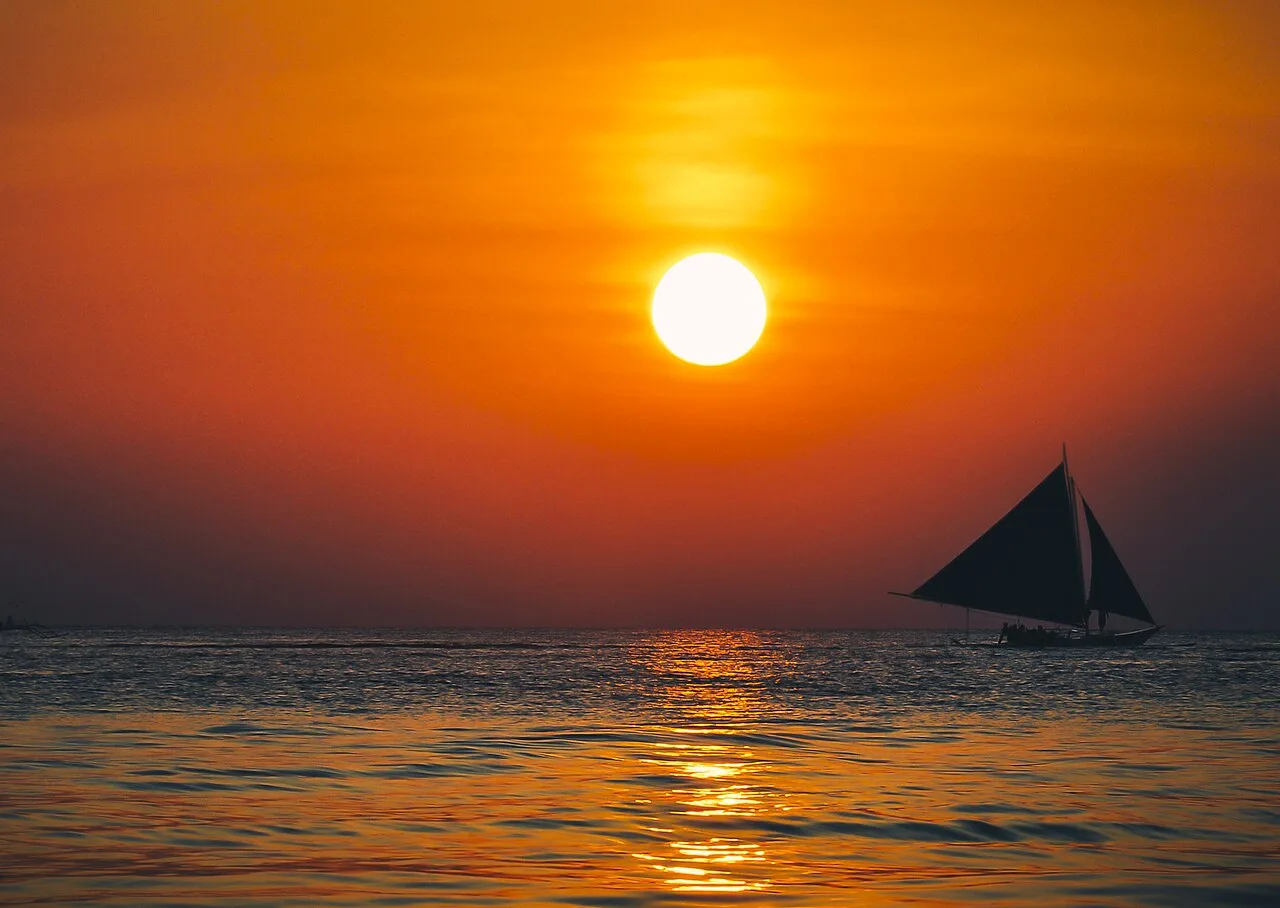
For short hops between nearby islands, ferries are cheaper than flights and way more scenic. Here are the ones you'll actually use:
Major Ferry Routes
| Route | Duration | Company | Fare (checked Sep 2026) |
|---|---|---|---|
| Cebu City → Tagbilaran (Bohol) | 2h | OceanJet | ₱800 tourist · ₱1,200 business + ~₱25 Cebu Pier 1 terminal fee |
| El Nido Coron | 4h | Montenegro / Atienza | ₱2,600–3,080 ($42–49) |
| Oslob (Cebu) Dumaguete | 30min | Local ferry | $3-5 |
| Dumaguete → Tagbilaran | 2h | OceanJet | ₱900 tourist · ₱1,400 business |
| Surigao City → Siargao | ~1.5h fastcraft / ~3h RORO | Evaristo / Montenegro | ₱400 fastcraft · ₱180 RORO + ₱15 Dapa terminal fee |
| Caticlan → Boracay | 15min | Multiple | ₱50 boat + ₱150 terminal + ₱300 environmental fee (foreigners) |
Port Fees, Eco Fees & Airline Baggage
The fares above are not the whole bill. Philippine ports add a terminal fee, several islands charge an environmental fee on arrival, and domestic airfares rarely include a checked bag. These are the amounts that catch backpackers out.
Terminal fees & eco fees
| Where | How much | Notes |
|---|---|---|
| Cebu Pier 1 (Bohol / Siquijor fastcraft) | ~₱25 | The Cebu Port Authority has suspended this fee for months at a time — bring cash but don't count on paying it |
| Batangas Port | ₱60 (₱90 from July 2026) | PPA-approved increase; the gateway for the Batangas–Caticlan ferry to Boracay |
| Caticlan jetty port | ₱150 terminal + ₱300 environmental (foreigners) + ₱50 boat | Bundled into a single QR-coded "iPass" payment at the port |
| Dapa port (Siargao) | ₱15 | Card and e-wallet not accepted |
| El Nido (ETDF) | ₱400 | Eco-Tourism Development Fee for visitors from outside Palawan, up from ₱200 — Palawan residents pay ₱200 |
Domestic flight baggage — the real cost
Base domestic fares on Philippine carriers are hand-carry only more often than not. Buying a checked bag at the airport costs far more than adding it online, so do it when you book.
| Airline | 20 kg, booked online | 20 kg, bought at the airport | Excess per kg |
|---|---|---|---|
| Cebu Pacific | ₱1,000 | ₱2,500 | ₱700 |
| AirAsia Philippines | ₱780 (₱1,100 if added after booking) | — | — |
| Philippine Airlines (myPAL Baggage Plus) | ₱1,100 | — | — |
Buses & Vans
For overland travel on the larger islands, buses and vans are the way to go. Buses are cheaper and more comfortable; vans are faster but cramped.
What it costs: Cebu City → Moalboal is ₱200–250 on an air-conditioned Ceres bus from the Cebu South Bus Terminal, or ₱150–200 non-aircon — the cheapest long ride in the country, and the reason Cebu is the best-value island to travel slowly. Puerto Princesa → El Nido shared van: ₱600–880.
Ceres Buses (Cebu & Visayas)
$3-5 per legThe gold standard for bus travel in the Philippines. Yellow air-con buses connecting Cebu City Moalboal Oslob every 30-60 minutes. Clean, reliable, no booking needed — just show up at the terminal. The Cebu South Bus Terminal to Moalboal is $3 and takes 3 hours.
Shared Vans (Palawan, Siargao, Bohol)
$5-12 per tripThe standard way to get between towns on Palawan and smaller islands. Puerto Princesa to El Nido is a 6-hour van ride (₱600–880). Vans leave when full (10-12 passengers) — you might wait 30 minutes at the terminal. They cram in as many people as possible. Pack light.
Tricycles
$1-5 per rideThe motorcycle-sidecar hybrid that's everywhere. Short rides within a town cost $1-2 (always agree on price before getting in). Airport/tourist area rides cost more ($3-5). Each tricycle fits 2-3 people. They're cheap, fun, and sometimes terrifying.
Motorbike Rental: The Freedom Move
Rates run ₱350–500 a day for a 110–125cc automatic on Siargao, and ₱550 a day in Panglao / Bohol — dropping to about ₱269 a day if you rent by the month. Bring a licence and expect a passport or cash deposit.
Renting a motorbike is the single best decision you'll make on most Philippine islands. It gives you total freedom — the best beaches, viewpoints, and local eateries are often off the main road.
What You Need to Know
Best Islands for Motorbiking
| Island | Road Quality | Difficulty |
|---|---|---|
| Siargao | Good — one main loop | Easy |
| Bohol | Good — mostly paved | Easy |
| Palawan (El Nido area) | OK — some dirt roads | Moderate |
| Boracay | Good — small island | Easy |
How to Actually Plan Your Route
Here's the mental model that works: fly between island groups, ferry between nearby islands, motorbike once you're there.
Don't: Fly Manila Cebu Bohol. Cebu and Bohol are a 2-hour ferry apart — flying makes no sense.
Do: Fly Manila Cebu. Ferry Cebu Bohol. Fly Bohol (Tagbilaran) Palawan (Puerto Princesa).
Golden Rules
The 4 Classic Backpacker Routes, Step by Step
These are the routes most travelers actually use. Here's exactly how each leg works:
Route 1: El Nido to Coron (Palawan loop)
| Leg | How | Time | Cost |
|---|---|---|---|
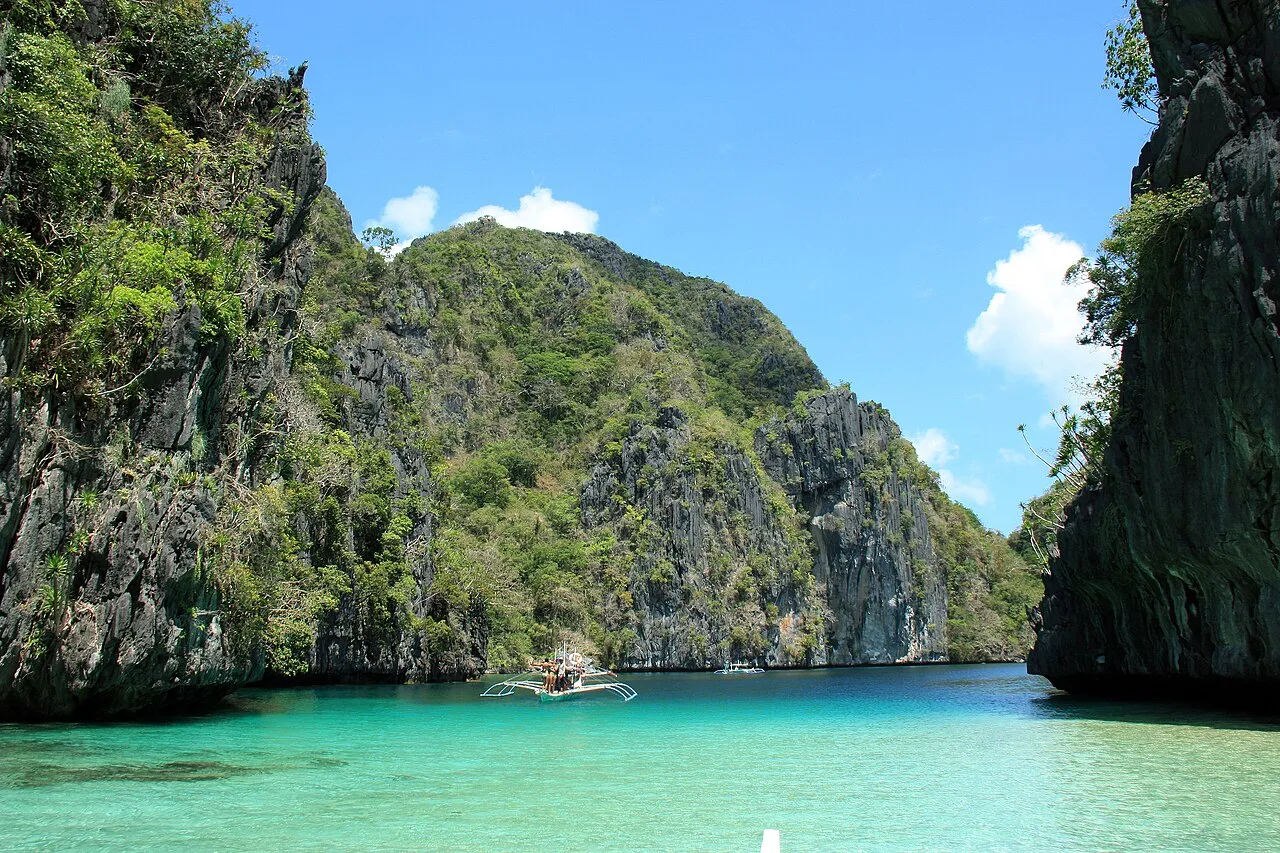
| El Nido to Coron | Ferry (Montenegro/Atienza) | 4h | ₱2,600–3,080 |
One direct ferry a day, usually 6am. Book the day before in peak season. Sea state matters: in June-October this Sulu Sea crossing gets rough and gets cancelled — keep a buffer day.
Our Coron guide covers the wreck dives, lakes and 2026 costs, and the El Nido guide covers the other end of the crossing.
Route 2: Cebu to Bohol
| Leg | How | Time | Cost |
|---|---|---|---|
| Cebu City to Tagbilaran | OceanJet fast ferry | 2h | ₱800 ($13) + ₱30 terminal |
Multiple departures daily from Pier 1 in Cebu City. Buy at the pier — online booking adds fees. First class is a few dollars more and worth it on rough days.
Bohol costs and a day-by-day plan are in our Cebu & Bohol guide.

Route 3: Cebu to Siargao
| Leg | How | Time | Cost |
|---|---|---|---|
| Cebu to Siargao (IAO) | Direct flight (Cebu Pacific/AirAsia) | 1h | $25-50 |
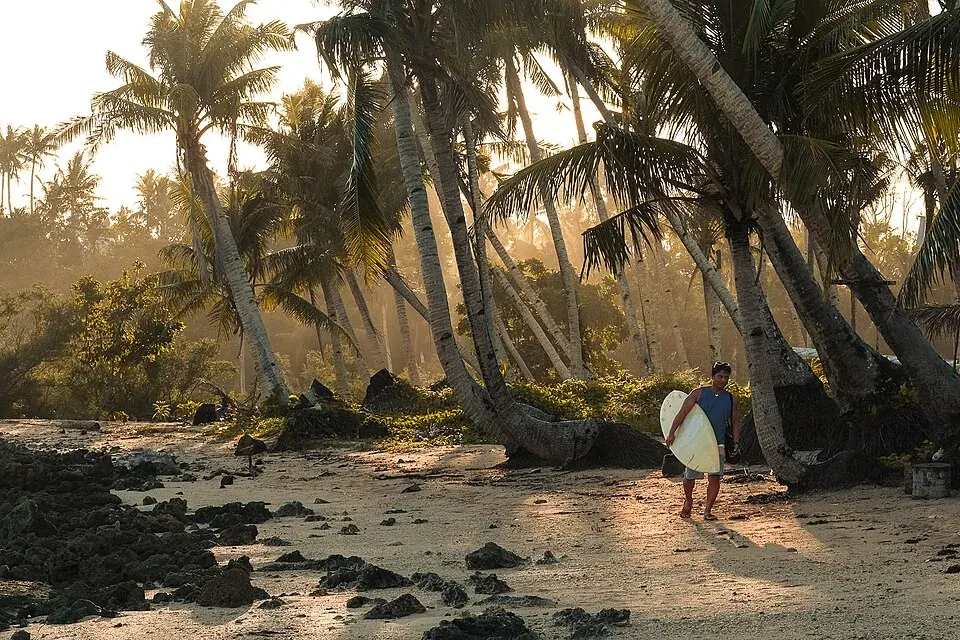
Fly. The ferry alternative (Cebu to Surigao to Siargao) takes a full day for barely any savings. Book 2+ weeks ahead — Siargao flights fill up fast, especially for surf season (Sep-Nov).
What to do once you land is in the Siargao guide.
Route 4: Puerto Princesa to El Nido
| Leg | How | Time | Cost |
|---|---|---|---|
| Puerto Princesa to El Nido | Shared van | 5-6h | ₱600–880 |
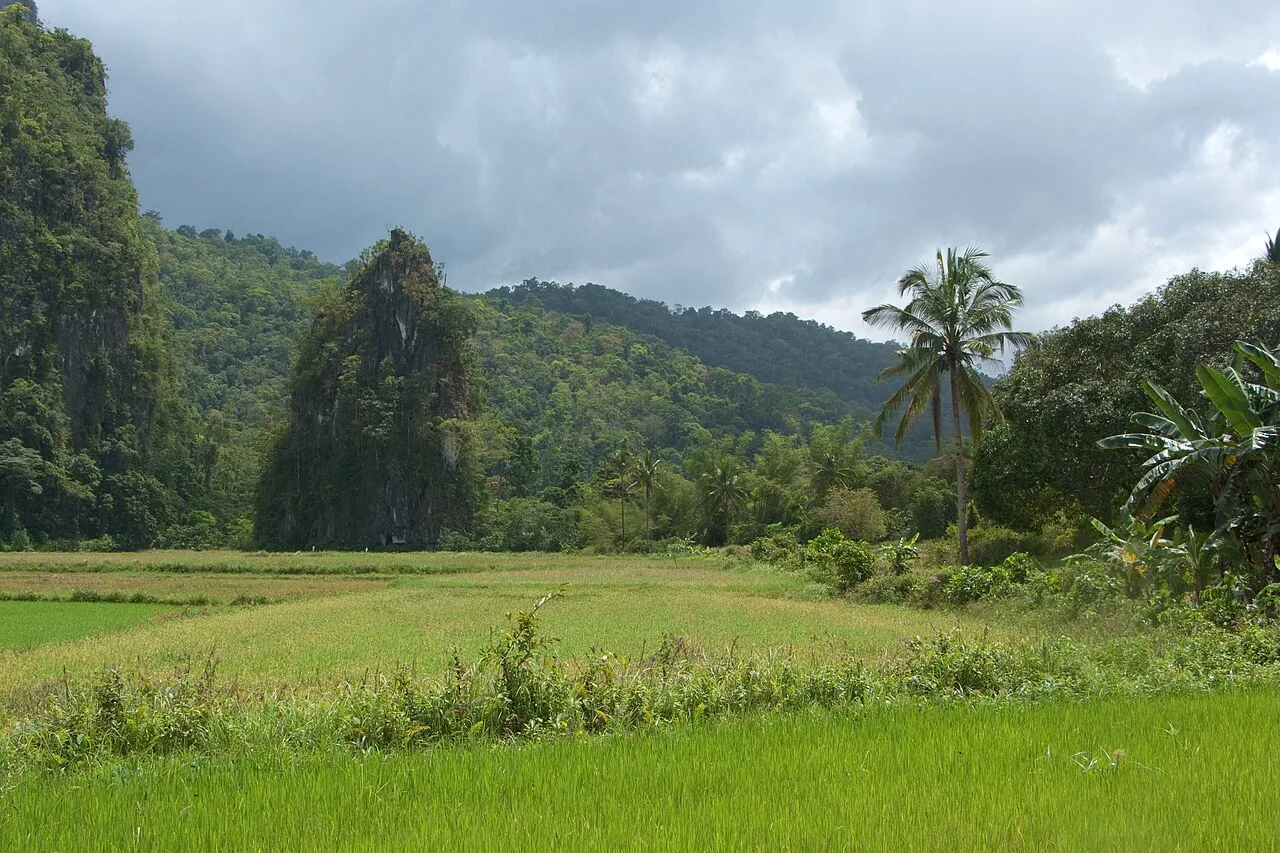
Vans leave when full from the San Jose terminal, roughly every 30-60 min. It's a winding mountain road — sit in the front if you get carsick. The 6am departures hit El Nido by midday.
Both ends are covered in the Puerto Princesa guide and the El Nido guide.
Travel Insurance: Don't Skip This
The Philippines is safe, but stuff happens. Motorbike accidents, dengue fever, canceled ferries, lost bags. A hospital visit without insurance can cost thousands.
We recommend SafetyWing Nomad Insurance — it's designed for backpackers, covers COVID-19, and costs from $42/month. No commitment, cancel anytime, buy it even after you've already left home.
Get SafetyWing Essential ($42/month)
Need more coverage? SafetyWing Complete adds trip interruption, lost luggage, and electronics coverage.
Frequently Asked Questions About Philippines Transport
How do you get around the Philippines?
Domestic flights between island groups, ferries between nearby islands, buses and shared vans for overland legs, and a rented motorbike once you're based somewhere. Flying Manila to Cebu then ferrying to Bohol is normal; flying Manila to Cebu to Bohol is not.
What is the cheapest way to travel between Philippine islands?
Ferries, by a wide margin. Cebu to Bohol is ₱800 (about $13) and Surigao to Siargao is ₱180 on the slow RORO or ₱400 on the fastcraft, versus ₱1,450+ to fly the same legs. The trade-off is time and weather: ferries take hours, and in rough season (June-October) they get cancelled. Budget the ferry as your default and keep flights for long hops like Manila to Palawan.
How much do domestic flights cost in the Philippines?
$20-60 one way on the standard routes (Manila-Cebu, Manila-Palawan, Cebu-Siargao). Cebu Pacific's piso fare sales drop tickets to $5-15 plus fees a few times a year. Book 2-3 weeks ahead — last-minute fares can double. Base fares include 7kg carry-on only; checked bags are $15-25.
What is the best backpacking route in the Philippines?
Two routes cover most first trips. Palawan loop (10-14 days): Manila to Puerto Princesa, van to El Nido, tours, ferry to Coron, fly back to Manila. Visayas loop (10-14 days): Manila to Cebu, bus to Moalboal and Oslob, ferry to Bohol, ferry back to Cebu, fly to Siargao. With three weeks, combine both — they connect through Cebu.
Are ferries in the Philippines safe?
On the main tourist routes, yes — OceanJet, Montenegro and Atienza run modern, scheduled boats with life jackets. The honest caveats: crossings get cancelled for weather in the wet season, small island bangka boats are weather-dependent and sometimes overloaded, and the El Nido-Coron stretch of the Sulu Sea is genuinely rough. Always keep a buffer day before an international flight.
Do you need an international driving licence for a motorbike?
Legally, yes — you're supposed to carry a licence with a motorcycle endorsement, plus an International Driving Permit. In practice most rental shops in Siargao, Bohol, Palawan and Boracay just take your passport as deposit and hand over the keys.
Make the decision on insurance, not on the rental shop's shrug: without a valid licence, a crash is usually excluded from travel insurance, and the hospital bill is yours. If you're renting, bring the IDP.
How much does getting around the Philippines cost per day?
$5-15 a day for local transport: motorbike rental and fuel ($5-7), tricycles ($1-3), occasional vans. Long-haul legs are separate — a flight is $20-60 and a ferry $5-30. Budget roughly $150-250 of transport for a two-week trip with 4-5 inter-island legs.
Related Guides
Plan more of your trip: Budget Database · Philippines Backpacking Guide · Backpacking Itineraries · Philippines Trip CostWhere To Go Philippines First Time